Modern businesses rely on data to make smarter decisions, improve customer experiences, and identify new growth opportunities. Yet for many organizations, building a reliable analytics platform has become more complicated than it needs to be. Teams often find themselves managing dozens of disconnected tools, complex pipelines, and constant maintenance tasks instead of focusing on extracting meaningful insights.
The good news is that modern analytics doesn’t have to involve an overly complicated architecture. By embracing simplicity, organizations can build scalable data infrastructure that supports growth while reducing operational overhead. A streamlined approach makes analytics more accessible, easier to maintain, and more effective over the long term.
Why Modern Data Infrastructure Becomes So Complex
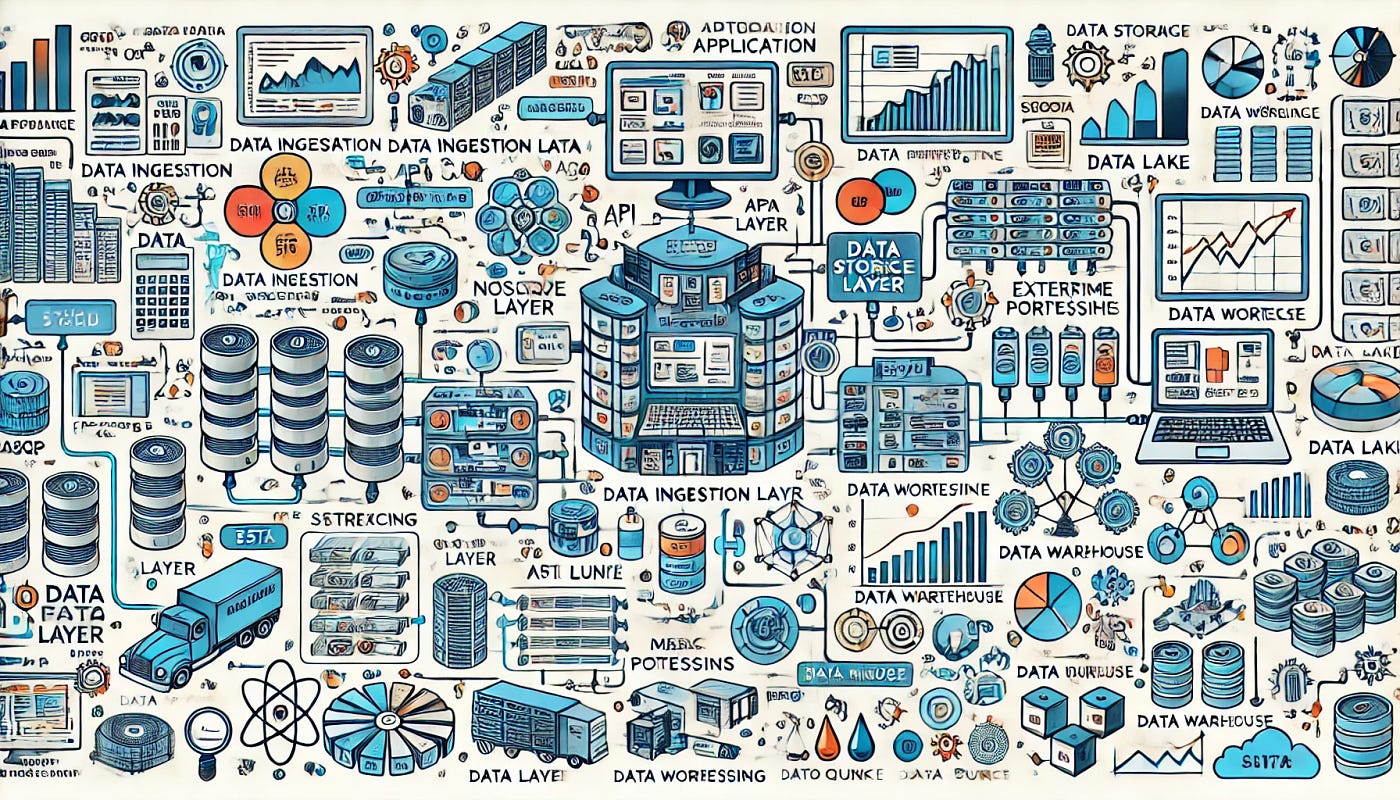
As companies grow, their data ecosystem naturally expands. New applications, databases, customer platforms, and third-party services all generate valuable information. Over time, organizations add specialized tools to handle each challenge.
This often leads to:
- Multiple data storage systems
- Separate ETL or ELT pipelines
- Numerous integration tools
- Duplicate datasets
- Manual reporting processes
- Complex security configurations
While each addition may solve an immediate problem, the overall architecture becomes increasingly difficult to manage. Every new component introduces another potential point of failure, making troubleshooting more time-consuming and expensive.
Instead of accelerating analytics, complexity often slows teams down.
The Hidden Costs of Overengineered Analytics
A sophisticated architecture may appear powerful on paper, but maintaining it requires significant resources.
Some common hidden costs include:
Higher Maintenance Requirements
Engineers spend valuable time monitoring pipelines, fixing failed jobs, updating integrations, and managing infrastructure instead of building new capabilities.
Slower Data Delivery
Complicated workflows often create bottlenecks. Reports that should take minutes may require hours or even days to become available.
Increased Operational Risk
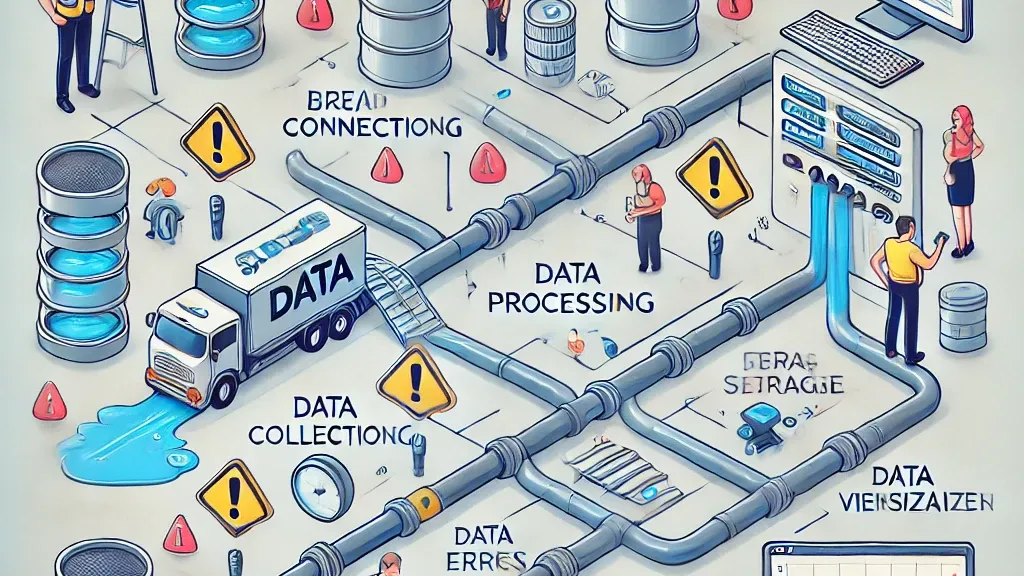
The more moving parts a system contains, the greater the likelihood that one component will fail and interrupt downstream processes.
Difficult Onboarding
New team members face a steep learning curve when dozens of interconnected services must be understood before making even minor changes.
Rising Infrastructure Expenses
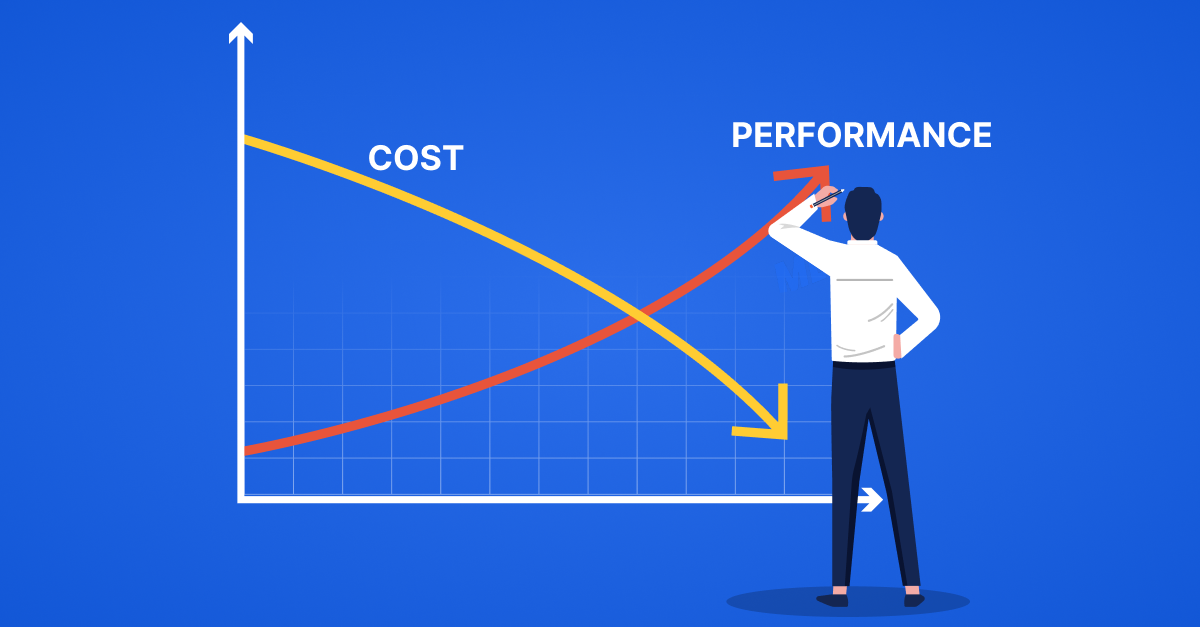
Redundant processing, unnecessary storage, and overlapping tools contribute to growing cloud costs without delivering proportional business value.
What Simpler Data Infrastructure Looks Like
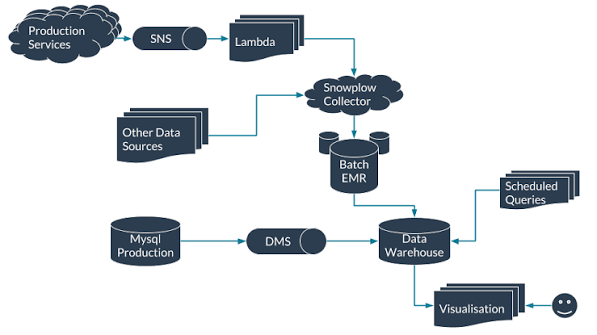
A simplified analytics architecture focuses on delivering reliable data with fewer components and clearer responsibilities.
Instead of adding new tools for every challenge, organizations prioritize systems that integrate well and minimize duplication.
A streamlined infrastructure often includes:
- A centralized data platform
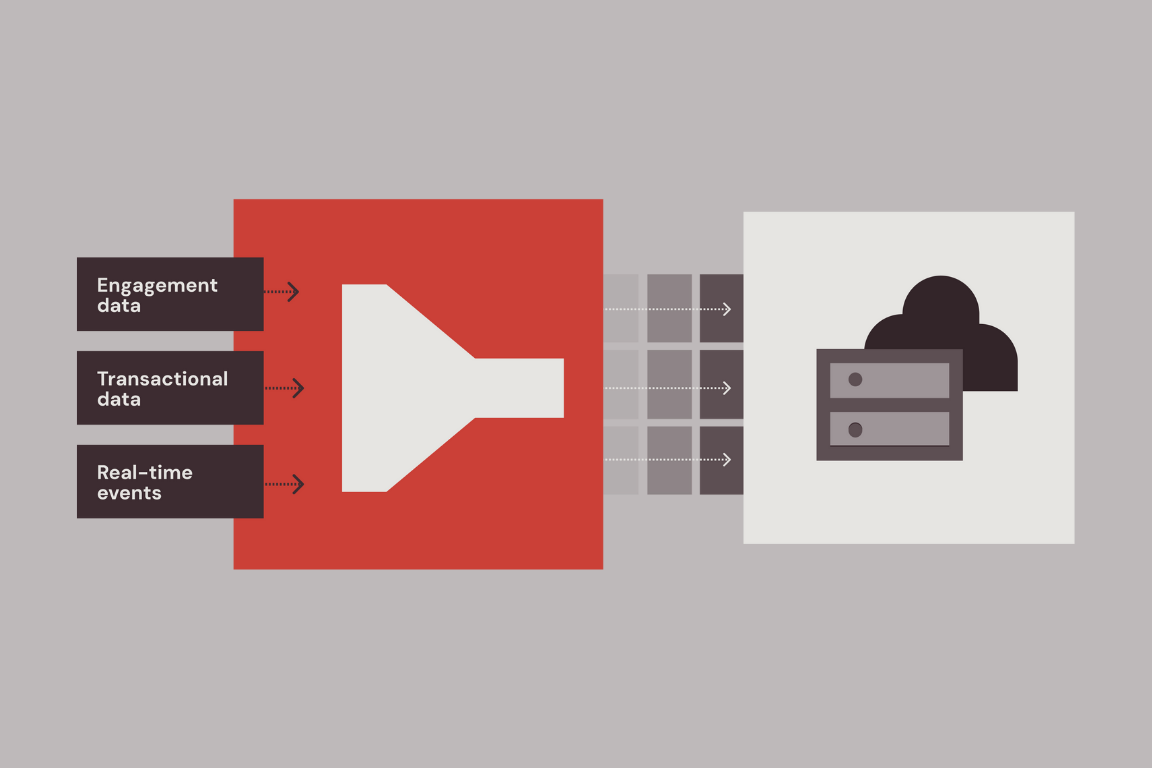
- Automated data ingestion
- Standardized transformation workflows
- Consistent governance policies
- Self-service analytics capabilities
- Built-in monitoring and observability
This approach reduces operational complexity while improving reliability and scalability.
Build Around Clear Data Pipelines
Reliable analytics begins with dependable data pipelines.
Rather than creating highly customized workflows for every data source, teams benefit from establishing standardized ingestion and transformation processes.
Effective pipelines should be:
- Automated
- Repeatable
- Easy to monitor
- Simple to troubleshoot
- Flexible enough to accommodate future growth
When pipelines follow consistent patterns, maintenance becomes significantly easier as data volumes increase.
Consolidate Instead of Fragmenting
One of the simplest ways to reduce complexity is to eliminate unnecessary fragmentation.
Many organizations maintain multiple copies of the same datasets across different systems. Besides increasing storage costs, duplicated data often creates conflicting reports and confusion among stakeholders.
Consolidation helps by providing:
- A single source of truth
- Consistent reporting
- Better data quality
- Simplified governance
- Reduced storage duplication
With centralized access, teams spend less time reconciling numbers and more time making informed decisions.
Prioritize Automation Wherever Possible
Manual processes introduce delays, inconsistencies, and human error.
Automation allows analytics teams to focus on improving insights rather than repeating operational tasks.
Key opportunities for automation include:
Data Ingestion
Automatically collect information from business applications, databases, APIs, and cloud services.
Data Validation
Identify missing values, unexpected changes, and quality issues before they affect reports.
Pipeline Monitoring
Receive alerts when workflows fail or performance degrades.
Documentation
Automatically generate metadata and maintain updated data catalogs.
Scheduled Reporting
Deliver dashboards and reports without requiring manual intervention.
Automation improves consistency while reducing the workload placed on engineering teams.
Design for Scalability from the Beginning
Scalability doesn’t necessarily mean building the most advanced architecture possible.
Instead, it means creating systems that can grow without requiring major redesigns.
Several principles support long-term scalability:
- Keep architectures modular.
- Standardize data formats.
- Minimize unnecessary dependencies.
- Use reusable transformation logic.
- Separate storage from compute where appropriate.
- Monitor performance continuously.
These practices allow organizations to expand their analytics capabilities without dramatically increasing operational complexity.
Make Analytics Accessible Across the Organization
Analytics should not depend entirely on specialized technical teams.
Modern infrastructure should empower business users to explore trusted data independently while maintaining governance and security.
Organizations can improve accessibility by providing:
- User-friendly dashboards
- Consistent business definitions
- Shared metrics
- Searchable data catalogs
- Clearly documented datasets
When employees can confidently access reliable information, decision-making becomes faster and more consistent across departments.
Keep Data Governance Simple and Effective
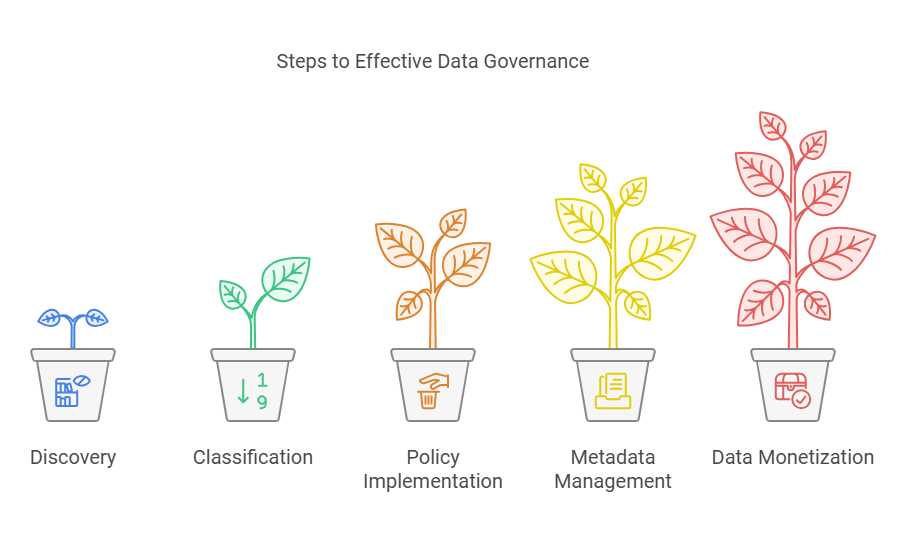
Governance is often misunderstood as adding more rules and bureaucracy. In reality, effective governance should make data easier—not harder—to use responsibly.
A practical governance strategy focuses on:
Clear Ownership
Every important dataset should have an identified owner responsible for its quality and maintenance.
Consistent Naming
Standard naming conventions reduce confusion and improve discoverability.
Access Controls
Grant users appropriate permissions without creating unnecessary administrative overhead.
Quality Monitoring
Regular validation helps maintain trust in business metrics.
Simple governance frameworks often achieve better compliance because they are easier for teams to understand and follow.
Common Mistakes That Increase Complexity
Organizations frequently introduce unnecessary complications while trying to improve analytics.
Some of the most common mistakes include:
- Purchasing too many specialized tools
- Building custom solutions for every requirement
- Creating duplicate pipelines
- Ignoring documentation
- Allowing inconsistent data definitions
- Delaying governance until systems become difficult to manage
- Optimizing for hypothetical future needs instead of current business priorities
Recognizing these patterns early helps teams avoid costly architectural debt.
A Practical Roadmap to Simpler Analytics
Organizations looking to simplify their data infrastructure can start with a structured approach:
Step 1: Evaluate Existing Systems
Identify duplicate tools, redundant datasets, and manual workflows.
Step 2: Standardize Core Processes
Develop consistent methods for ingestion, transformation, monitoring, and reporting.
Step 3: Reduce Tool Sprawl
Consolidate platforms wherever practical instead of introducing additional technologies.
Step 4: Automate Routine Operations
Focus engineering effort on innovation rather than repetitive maintenance.
Step 5: Improve Visibility
Implement monitoring, logging, and documentation that make problems easier to detect and resolve.
Step 6: Continuously Refine
Treat data infrastructure as an evolving platform. Regular reviews help eliminate unnecessary complexity before it accumulates.
The Future of Analytics Is Simplicity
As organizations continue generating larger volumes of data, success will depend less on building increasingly elaborate architectures and more on creating systems that are reliable, scalable, and easy to operate.
Simplified data infrastructure enables teams to spend less time maintaining technology and more time discovering insights that drive business growth. With standardized pipelines, automated workflows, centralized data management, and practical governance, organizations can support advanced analytics without becoming overwhelmed by operational complexity.
Rather than chasing the newest technologies or assembling ever-growing stacks of specialized tools, businesses achieve better long-term results by focusing on clarity, maintainability, and efficiency. A simpler approach doesn’t limit innovation—it creates the stable foundation that allows analytics to scale confidently as business needs evolve.