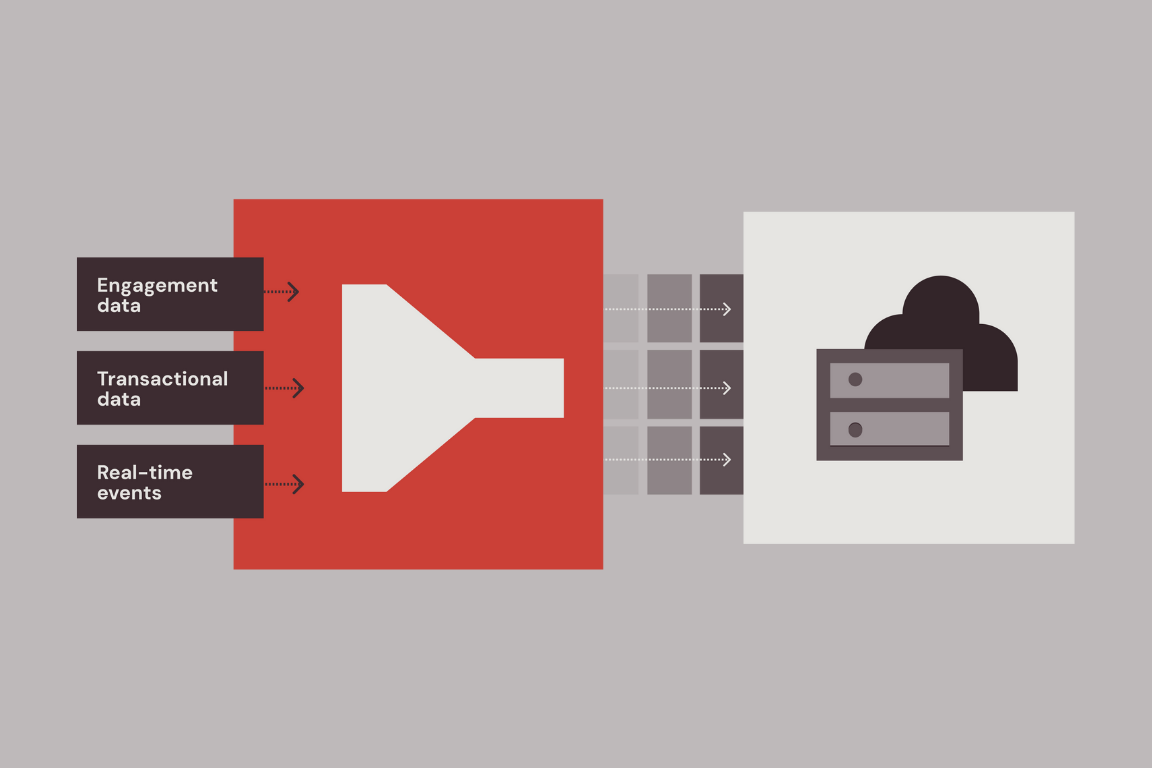
Every digital interaction creates data. A customer clicks a product page, completes a purchase, opens an email, uses a mobile app, or interacts with a service platform. These actions generate valuable events that can help organizations understand behavior, improve products, and make better decisions.
However, turning raw events into meaningful insights is often more complicated than expected. Many analytics teams struggle with fragmented pipelines, unclear data flows, and systems that become increasingly difficult to maintain as data volume grows.
The solution is not always adding more tools or building more complex architectures. The most effective analytics pipelines are often the ones that remain simple, transparent, and adaptable. By focusing on clear design principles, organizations can create data flows that support current needs while remaining ready for future growth.
Understanding the Journey From Raw Data to Insights
An analytics pipeline is the process that moves data from its original source to a format that teams can analyze and use.
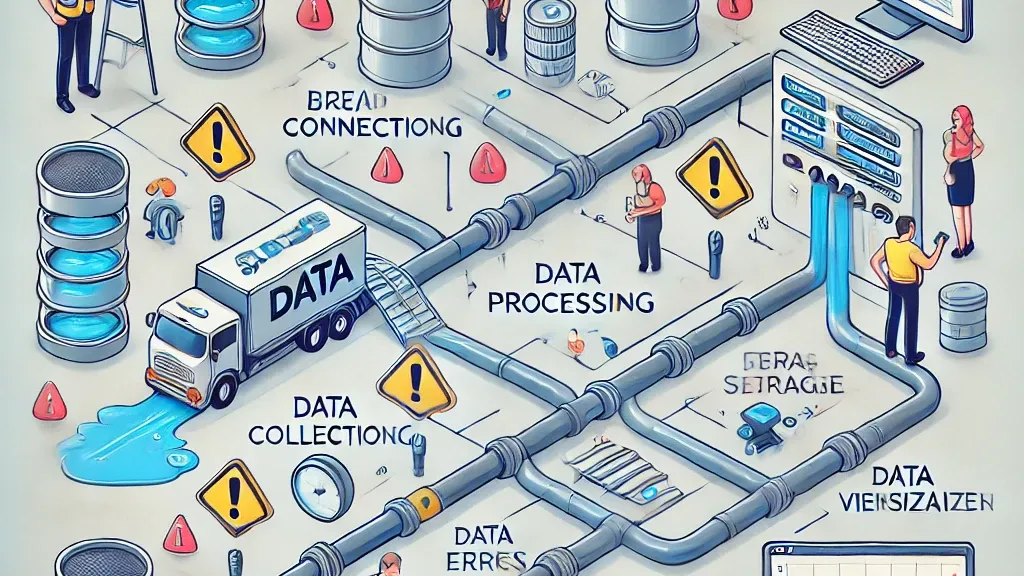
At a high level, the journey looks like this:
- Data collection — Capturing events from applications, platforms, devices, and systems.
- Data processing — Cleaning, organizing, and transforming raw information.
- Data storage — Keeping structured data in a system optimized for analysis.
- Data modeling — Creating useful datasets and relationships.
- Data consumption — Delivering insights through dashboards, reports, and analytics tools.
Each stage plays an important role, but complexity often appears when organizations add unnecessary layers between these steps.
A well-designed pipeline should make it easy to understand where data comes from, how it changes, and how it reaches the people who need it.
Why Analytics Pipelines Become Difficult to Maintain
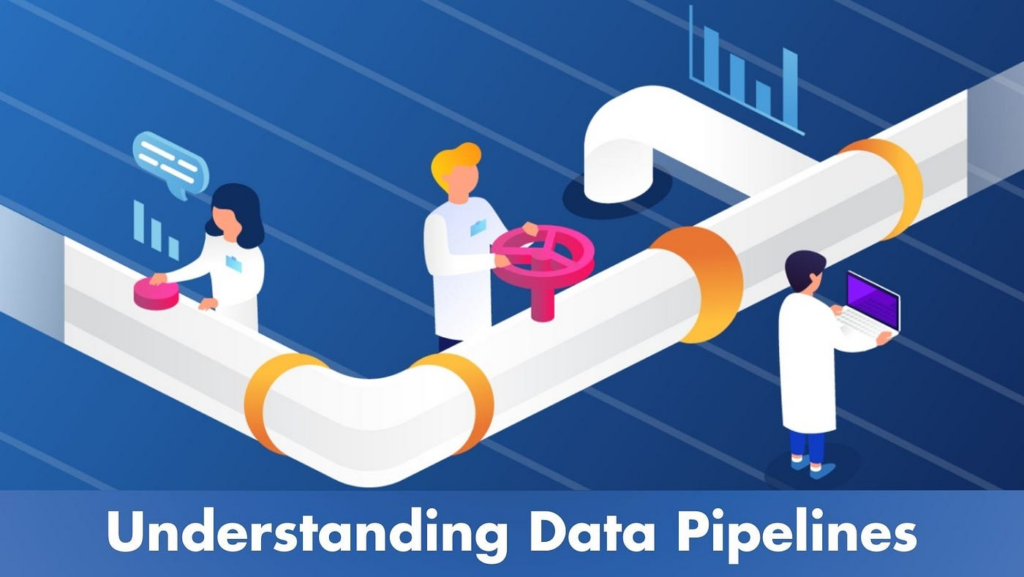
Many data pipelines start simple. A team connects a few data sources, creates basic transformations, and builds initial reports. Problems usually appear as the organization grows.
New requirements often introduce:
- Additional data sources
- More transformation logic
- Multiple reporting systems
- Custom integrations
- Increasing data volumes
- More stakeholders requesting different metrics
Without careful planning, these additions can turn a straightforward pipeline into a complicated network of dependencies.
Common signs of an overly complex analytics pipeline include:
- No one fully understands the entire data flow
- Small changes break unrelated processes
- Data definitions differ between teams
- Pipeline failures are difficult to diagnose
- New employees struggle to learn the system
- Engineers spend more time maintaining workflows than improving them
A simple pipeline is not one with fewer capabilities. It is one where every component has a clear purpose.
Start With Clear Data Events
The foundation of a simple analytics pipeline is well-defined event data.
Events represent actions or changes that occur within a system. Examples include:
- A user creating an account
- A customer adding an item to a cart
- A subscription being renewed
- A feature being used
- A transaction being completed
Poorly structured events create problems later. If teams collect inconsistent or incomplete information, every downstream process becomes harder.
Strong event design includes:
Consistent Naming
Event names should clearly describe the action being tracked. A shared naming system prevents confusion and improves collaboration.
Useful Properties
Events should include relevant details such as user identifiers, timestamps, product information, or transaction values.
Defined Ownership
Teams should understand who manages each event and who is responsible for maintaining its quality.
Clear event structures reduce unnecessary transformations and make future analysis easier.
Keep Data Flows Easy to Follow
A major goal of analytics pipeline design should be visibility.
Anyone working with the system should be able to answer basic questions:
- Where did this data come from?
- What changes happened along the way?
- Who uses the final dataset?
- What happens if something fails?
Simple pipelines typically have:
- Fewer unnecessary processing steps
- Clear transformation logic
- Documented dependencies
- Predictable workflows
- Consistent naming conventions
When data movement is easy to understand, teams can troubleshoot problems faster and introduce improvements with less risk.
Avoid Overengineering Your Data Architecture
A common mistake is designing infrastructure for problems that may never happen.
Teams sometimes create highly complex systems based on possible future requirements rather than actual business needs.
Overengineering often leads to:
- More infrastructure costs
- Additional maintenance work
- Longer development cycles
- Increased technical complexity
A better approach is to build a strong foundation and expand gradually.
A practical analytics architecture should prioritize:
- Reliability over unnecessary complexity
- Automation over manual processes
- Reusability over one-off solutions
- Flexibility over excessive customization
The simplest system that solves the problem effectively is often the best long-term choice.
Separate Collection, Transformation, and Analysis
One effective way to maintain simplicity is keeping different pipeline responsibilities separate.
Collection Layer
The collection layer focuses on gathering raw data from different sources without making significant changes.
Its purpose is to preserve original information and ensure reliable data capture.
Transformation Layer
The transformation layer prepares data for analysis by:
- Removing errors
- Standardizing formats
- Combining related datasets
- Creating business-ready metrics
Transformation logic should be clear and reusable rather than scattered across multiple systems.
Analytics Layer
The analytics layer provides access to insights through:
- Dashboards
- Reports
- Data exploration tools
- Machine learning applications
Separating these responsibilities makes systems easier to modify and maintain.
Build Pipelines That Scale Gradually
Scalability does not require creating a massive infrastructure from day one.
A scalable analytics pipeline should grow naturally as business needs increase.
Important considerations include:
Use Reusable Components
Avoid rebuilding similar workflows repeatedly. Shared components reduce maintenance and improve consistency.
Automate Repetitive Tasks
Automated testing, monitoring, and deployment reduce operational effort.
Monitor Performance
Tracking pipeline health helps teams identify issues before they affect users.
Design for Change
Business requirements evolve. Flexible pipelines make it easier to add new data sources or modify existing processes.
Growth becomes much easier when the foundation is simple.
Make Data Quality Part of the Pipeline

Reliable insights depend on reliable data.
Data quality should not be treated as a final review step. It should be built into the pipeline from the beginning.
Important quality checks include:
- Missing data detection
- Duplicate record identification
- Unexpected value monitoring
- Schema change alerts
- Accuracy validation
Automated quality checks help teams maintain trust without requiring constant manual review.
Improve Collaboration Between Technical and Business Teams
Analytics pipelines are not only technical systems. They support business decisions across the organization.
Strong collaboration helps ensure that pipelines deliver meaningful value.
Teams should work together to define:
- Important business metrics
- Required data sources
- Reporting expectations
- Data ownership responsibilities
When technical and business teams share a common understanding, analytics becomes more effective and easier to maintain.
A Simple Framework for Better Analytics Pipelines
Organizations can improve their data flows by following a few practical principles:
- Capture clean and meaningful events.
- Keep transformations understandable.
- Document important decisions.
- Automate routine operations.
- Monitor data quality continuously.
- Remove unnecessary complexity.
- Design for gradual growth.
These principles create pipelines that remain useful even as data requirements expand.
Building the Foundation for Better Decisions
The goal of an analytics pipeline is not to create the most complicated technical system possible. The goal is to transform raw information into reliable insights efficiently.
Simple data pipelines help organizations move faster, reduce maintenance challenges, and create more confidence in their analytics.
By focusing on clear event design, transparent workflows, practical automation, and scalable architecture, teams can build systems that support long-term growth without unnecessary complexity.
The best analytics pipelines are not defined by how many tools they use. They are defined by how effectively they turn data into decisions.