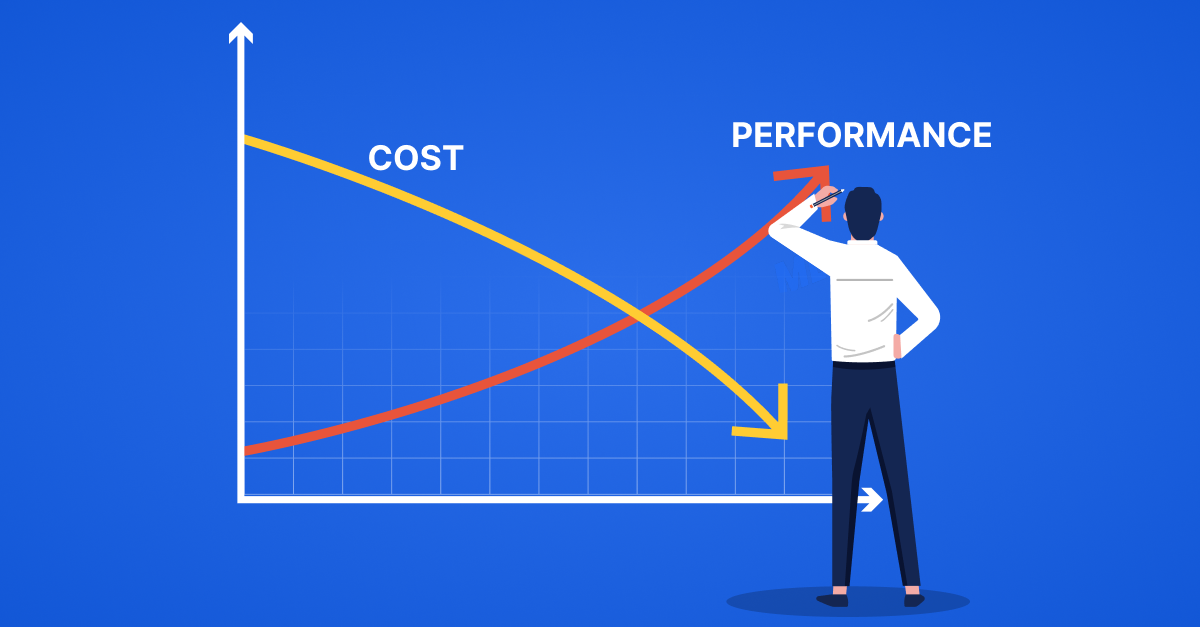
Modern analytics depends on speed. Businesses want real-time dashboards, faster insights, and the ability to make decisions based on the latest information. At the same time, cloud infrastructure costs continue to grow as data volumes increase and analytics workloads become more demanding.
This creates a common challenge for data teams: how can they improve performance without creating unnecessary expenses?
The answer is not simply adding more computing power or investing in more advanced infrastructure. Sustainable analytics performance comes from finding the right balance between speed, efficiency, and cost control.
By optimizing workloads, improving data processes, and making smarter infrastructure decisions, organizations can build analytics systems that deliver fast results without excessive spending.
The Challenge of Balancing Analytics Speed and Cost
Analytics teams often face competing priorities.
Business users want:
- Faster dashboards
- More frequent data updates
- Real-time reporting
- Complex analysis capabilities
- Support for growing data volumes
Engineering teams must also consider:
- Cloud resource costs
- Infrastructure reliability
- Maintenance effort
- System scalability
- Operational complexity
Improving performance often requires additional resources, but unlimited scaling is rarely a sustainable strategy.
A successful analytics environment focuses on efficiency rather than simply increasing capacity.
Why Analytics Costs Grow Over Time
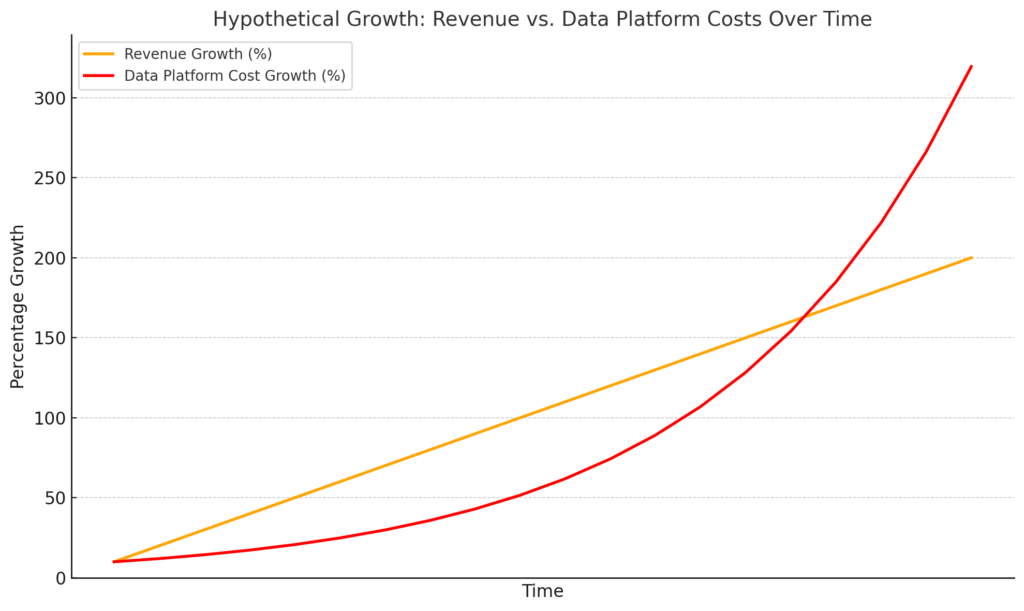
Many organizations experience rising infrastructure expenses without fully understanding what drives them.
Common causes include:
Growing Data Volumes
As companies collect more customer interactions, operational records, and application events, storage and processing requirements increase.
Inefficient Queries
Poorly optimized queries can consume significant computing resources, especially when processing large datasets repeatedly.
Duplicate Processing
Running similar transformations across multiple systems wastes both time and infrastructure capacity.
Always-On Resources
Cloud services that run continuously, even when they are rarely used, can create unnecessary expenses.
Lack of Cost Visibility
Without monitoring usage patterns, teams may not know which workloads are responsible for the highest costs.
Understanding these challenges is the first step toward building a more efficient analytics strategy.
Optimize Before Scaling
A common approach to performance problems is immediately increasing resources. While this can provide short-term improvements, it often hides deeper inefficiencies.
Before adding more infrastructure, teams should evaluate existing workloads.
Important questions include:
- Are queries processing more data than necessary?
- Are datasets structured efficiently?
- Are pipelines running more frequently than required?
- Are unused resources consuming budget?
- Could results be reused instead of recalculated?
Optimization should come before expansion.
Small improvements in efficiency can produce significant cost savings while maintaining or even improving performance.
Improve Query Efficiency
Analytics queries are often one of the biggest factors affecting both speed and cost.
Better query design can reduce processing requirements and improve response times.
Effective practices include:
Select Only Required Data
Avoid processing unnecessary columns or records. Limiting data scanned reduces workload size and improves efficiency.
Use Proper Data Structures
Organized tables, optimized storage formats, and effective data models help analytics systems process information faster.
Reduce Repeated Calculations
Frequently used metrics should be created in reusable datasets rather than recalculated every time a user requests a report.
Monitor Slow Queries
Identifying inefficient queries allows teams to focus optimization efforts where they create the most impact.
Small improvements at the query level can have a large effect across thousands of analytics operations.
Design Efficient Data Pipelines
Data pipelines directly influence both performance and infrastructure costs.
Poorly designed pipelines often process unnecessary data, run too frequently, or duplicate work.
A cost-efficient pipeline should:
- Process only required data
- Use incremental updates where possible
- Avoid unnecessary transformations
- Remove outdated workflows
- Automate resource management
Instead of rebuilding entire datasets every day, many organizations benefit from incremental processing that updates only changed information.
This approach reduces processing time while lowering infrastructure usage.
Choose the Right Performance Strategy
Not every analytics workload requires maximum speed.
Different use cases have different requirements.
For example:
- Executive dashboards may need frequent updates but simple calculations.
- Operational reports may require near-real-time information.
- Historical analysis may prioritize lower cost over immediate results.
- Experimental workloads may not require dedicated resources.
Understanding workload priorities helps teams avoid spending money on unnecessary performance.
The goal is not making everything as fast as possible. The goal is making important things fast enough.
Use Cloud Resources More Strategically
Cloud platforms provide flexibility, but flexibility can also lead to uncontrolled spending.
Organizations can improve cost efficiency by managing resources more carefully.
Right-Size Infrastructure
Many teams overestimate their resource requirements.
Regularly reviewing usage helps identify:
- Oversized computing resources
- Unused storage
- Underused services
- Inefficient configurations
Matching resources to actual needs prevents unnecessary spending.
Automate Resource Management
Automation can reduce waste by adjusting infrastructure based on demand.
Examples include:
- Scaling resources during peak usage
- Reducing capacity during low-demand periods
- Scheduling non-critical workloads during cheaper periods
- Automatically shutting down unused environments
Automation ensures performance remains available without paying for unnecessary capacity.
Separate Critical and Non-Critical Workloads
Not every analytics process requires the same level of priority.
Separating workloads allows organizations to allocate resources more effectively.
Critical workloads may receive:
- Higher performance resources
- Faster processing schedules
- Greater availability
Lower-priority workloads can use:
- Shared resources
- Scheduled execution
- Cost-efficient processing options
This approach improves resource allocation without limiting analytics capabilities.
Build a Culture of Cost Awareness
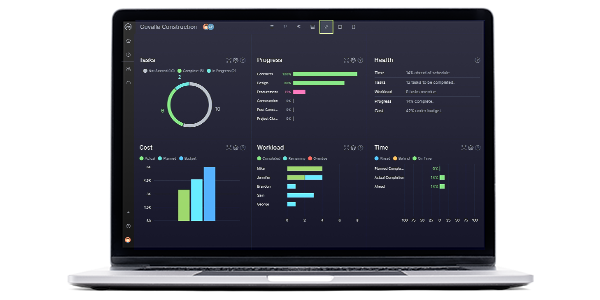
Managing analytics costs is not only a technical responsibility.
Everyone involved in data operations influences infrastructure efficiency.
Teams can encourage cost awareness by:
- Tracking workload expenses
- Reviewing resource usage regularly
- Documenting optimization decisions
- Sharing performance best practices
- Including cost considerations in architecture discussions
When teams understand the relationship between design choices and expenses, they make better long-term decisions.
Avoid Common Performance Optimization Mistakes
While optimizing analytics systems, organizations often make decisions that create new problems.
Common mistakes include:
Adding Infrastructure Instead of Fixing Problems
More computing power does not solve inefficient processes.
Optimizing Everything Equally
Not every workload requires maximum performance. Prioritization creates better results.
Ignoring Data Design
Poor data structures can limit performance regardless of infrastructure investment.
Creating Too Many Specialized Systems
Additional tools may increase complexity and operational costs.
Focusing Only on Short-Term Savings
Reducing costs without considering scalability can create future limitations.
Effective optimization balances immediate savings with long-term reliability.
A Practical Approach to Cost-Efficient Analytics
Organizations can improve analytics performance while controlling costs by following a structured process:
- Measure current performance and spending.
- Identify the most expensive workloads.
- Optimize queries and data processes.
- Remove unnecessary duplication.
- Automate resource management.
- Match infrastructure to workload requirements.
- Review and improve continuously.
This approach creates measurable improvements without requiring a complete rebuild of existing systems.
The Future of Efficient Analytics
The best analytics platforms are not the ones that spend the most on infrastructure. They are the ones that use resources intelligently.
As data volumes continue to grow, organizations will need systems that deliver fast insights while remaining financially sustainable. Achieving this balance requires thoughtful architecture, efficient workflows, and continuous optimization.
Performance and cost control are not competing goals. With the right strategies, businesses can create analytics environments that are both powerful and efficient.
The future of analytics belongs to teams that understand a simple principle: better performance does not always come from using more resources—it comes from using the right resources in smarter ways.