Data engineering has become one of the most important foundations of modern technology. Every application, business decision, and analytical insight depends on the ability to collect, process, store, and deliver reliable data.
However, successful data engineering is not about building the most complicated systems or using the newest tools. The strongest data platforms are built on practical principles that prioritize reliability, simplicity, scalability, and maintainability.
Whether working at a small startup or a global enterprise, data engineers face many of the same challenges: ensuring data quality, managing growing volumes, supporting analytics teams, and creating systems that can adapt as requirements change.
Understanding the core principles of data engineering helps engineers build solutions that remain effective as organizations evolve.
What Is Practical Data Engineering?
Data engineering focuses on designing and maintaining systems that make data available, trustworthy, and useful.
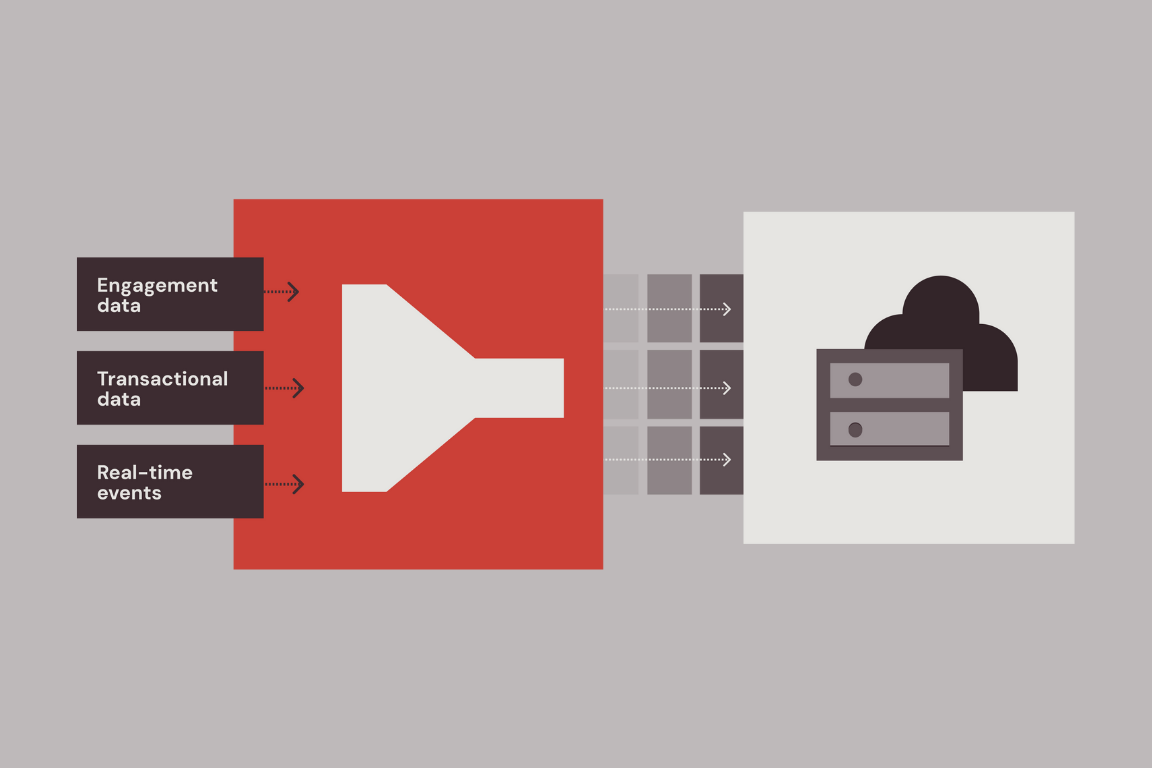
A data engineer is responsible for creating the infrastructure that moves data from its original sources into systems where it can be analyzed and used.
Typical responsibilities include:
- Building data pipelines
- Managing data storage systems
- Transforming raw information into useful datasets
- Improving data reliability
- Supporting analytics and machine learning workflows
- Monitoring system performance
- Maintaining data security and governance
Practical data engineering goes beyond technical implementation. It focuses on solving real business problems with systems that are efficient, understandable, and sustainable.
Principle 1: Reliability Comes First

The most important characteristic of any data system is reliability.
A fast pipeline that produces incorrect results is not valuable. A sophisticated platform that frequently fails creates more problems than it solves.
Reliable data systems should provide:
- Consistent results
- Predictable performance
- Clear error handling
- Strong monitoring
- Recoverable workflows
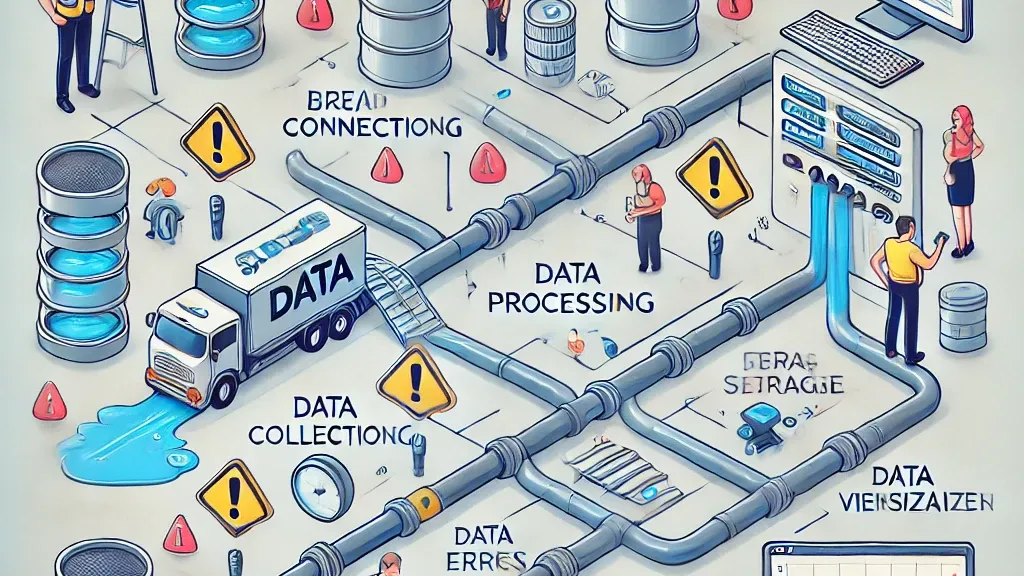
Engineers should design pipelines with the expectation that failures will happen. Data sources change, networks fail, and unexpected conditions occur.
Building systems that can detect, handle, and recover from problems is a fundamental part of professional data engineering.
Design for Failure
Strong data engineers assume that components will eventually break.
Practical techniques include:
- Automated retries
- Error logging
- Data validation checks
- Backup processes
- Failure notifications
- Recovery procedures
A resilient system does not avoid failures completely. It minimizes their impact.
Principle 2: Keep Data Pipelines Simple
Complexity is one of the biggest challenges in data engineering.
As organizations grow, pipelines often become difficult to understand because of:
- Too many dependencies
- Duplicate transformations
- Unclear ownership
- Inconsistent processes
- Excessive customization
Simple systems are easier to operate, debug, and improve.
A good pipeline should have:
- Clear data flow
- Limited unnecessary steps
- Reusable components
- Well-documented logic
- Predictable behavior
Simplicity is not a limitation. It is a strategy for creating systems that remain manageable over time.
Principle 3: Understand the Data You Handle
Technical skills alone are not enough for effective data engineering.
Engineers need to understand the meaning behind the data they process.
Important questions include:
- What does each field represent?
- Who uses this data?
- How accurate does it need to be?
- How frequently should it update?
- What business decisions depend on it?
Without context, engineers may build technically correct systems that fail to support actual business needs.
Strong data engineering combines technical knowledge with business understanding.
Principle 4: Design for Scalability
Scalability means creating systems that can handle growth without requiring complete redesign.
A scalable data platform should support:
- Increasing data volumes
- More users
- Additional data sources
- New analytical requirements
- Changing business priorities
Scalability does not mean building the largest system possible from the beginning.
Instead, engineers should focus on:
- Modular designs
- Efficient processing
- Flexible architectures
- Clear separation of responsibilities
The best systems grow naturally as requirements increase.
Principle 5: Treat Data Quality as a Core Feature
Data quality is not an optional improvement. It is a fundamental requirement.
Poor-quality data can lead to:
- Incorrect reports
- Bad business decisions
- Loss of trust
- Operational problems
Data engineers should build quality checks directly into pipelines.
Important validation practices include:
Completeness Checks
Ensure required information is present.
Accuracy Checks
Verify that values follow expected rules.
Consistency Checks
Confirm that data remains aligned across different systems.
Freshness Monitoring
Track whether data arrives within expected timeframes.
Quality should be maintained throughout the entire data lifecycle.
Principle 6: Automate Repetitive Work

Automation allows engineers to focus on improving systems instead of manually maintaining them.
Common opportunities for automation include:
- Pipeline scheduling
- Data validation
- Deployment processes
- Infrastructure management
- Monitoring and alerts
- Documentation updates
Manual processes are difficult to scale and often introduce errors.
Reliable automation creates consistency and reduces operational effort.
Principle 7: Build With Observability in Mind
A data system should make it easy to understand what is happening.
Observability helps engineers answer important questions:
- Is the pipeline running successfully?
- Did data arrive on time?
- Where did an error occur?
- How long does processing take?
- Are costs increasing unexpectedly?
Effective monitoring includes:
- Performance metrics
- Pipeline logs
- Data quality indicators
- Error tracking
- Usage patterns
Visibility turns troubleshooting from guesswork into a structured process.
Principle 8: Documentation Is Part of Engineering
Documentation is often overlooked, but it plays a critical role in maintaining data systems.
Good documentation helps teams:
- Understand existing pipelines
- Onboard new engineers
- Avoid repeating mistakes
- Make safer changes
- Share knowledge
Useful documentation includes:
- Data definitions
- Pipeline descriptions
- Architecture diagrams
- Ownership information
- Operational procedures
A system that only one person understands is a long-term risk.
Principle 9: Balance Performance and Cost
Efficient engineering requires thinking about resources.
More computing power does not automatically mean better systems.
Engineers should consider:
- Query efficiency
- Storage usage
- Processing frequency
- Infrastructure requirements
- Workload priorities
The goal is to build systems that provide the necessary performance without unnecessary expense.
Cost-aware engineering creates more sustainable data platforms.
Principle 10: Build for Change
Business needs rarely stay the same.
New products launch, customer behavior changes, and reporting requirements evolve.
Data systems should be flexible enough to adapt.
Engineers can prepare for change by:
- Avoiding unnecessary complexity
- Creating reusable components
- Maintaining clear interfaces
- Separating different system responsibilities
- Reviewing architecture regularly
A flexible system reduces the effort required to support future growth.
Common Data Engineering Mistakes to Avoid
Even experienced teams can encounter problems when building data platforms.
Common mistakes include:
- Prioritizing tools over principles
- Creating unnecessary complexity
- Ignoring data quality
- Failing to document systems
- Building without considering future changes
- Treating monitoring as an afterthought
- Creating solutions that only work for one specific use case
Strong engineering decisions focus on long-term value rather than short-term convenience.
A Practical Checklist for Better Data Engineering
Before building or improving a data system, engineers should ask:
- Is the data pipeline reliable?
- Can failures be detected and recovered from?
- Is the system easy to understand?
- Are data quality checks included?
- Can the architecture scale?
- Are operational costs controlled?
- Is documentation available?
- Can future requirements be supported?
These questions help guide better technical decisions.
Building Better Data Systems Through Fundamentals
Data engineering continues to evolve, but the core principles remain consistent. Tools and technologies change, yet successful systems are always built around reliability, simplicity, scalability, and trust.
The best data engineers do not focus only on moving information from one place to another. They create dependable foundations that help organizations make better decisions.
By applying practical engineering principles, teams of any size can build analytics systems that are easier to maintain, more resilient, and ready for future growth.