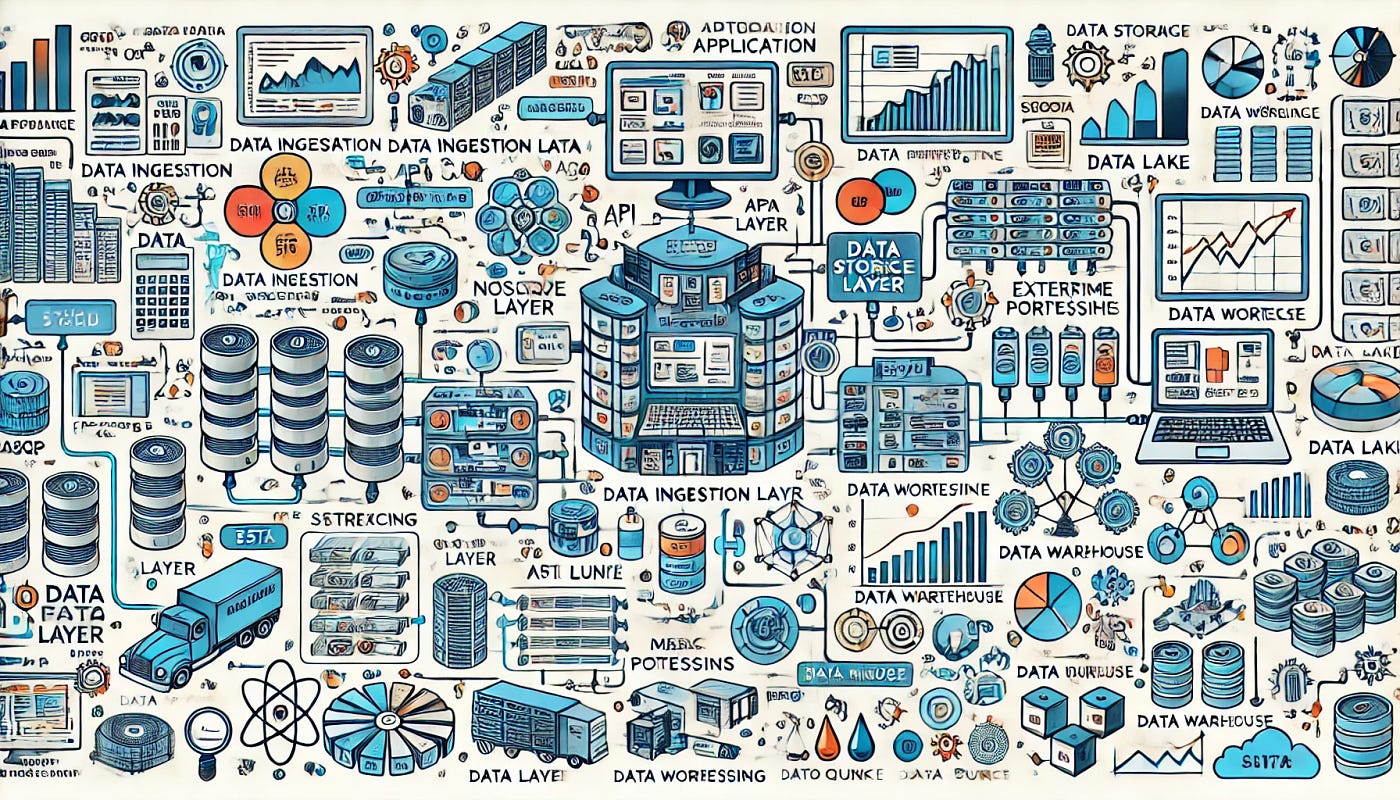
Modern organizations depend on data pipelines to power analytics, reporting, machine learning, and business decisions. As companies grow, their data environments often become more sophisticated, with additional sources, processing layers, and specialized tools added over time.
While this growth can create powerful capabilities, it can also introduce a hidden problem: unnecessary complexity.
Complex data pipelines often appear impressive because they involve advanced technologies and multiple components. However, behind the scenes, they can create significant costs through reduced reliability, slower development cycles, increased maintenance requirements, and frustrated engineering teams.
Building effective data infrastructure is not about creating the most complicated system possible. It is about creating systems that are reliable, understandable, and capable of supporting future growth.
How Data Pipelines Become Overly Complex
Most complicated data architectures do not start that way. They usually evolve gradually.
A team adds one tool to solve a specific problem. Another system is introduced to support a new requirement. A custom workflow is created to handle a special case. Over time, these individual decisions accumulate.
Common sources of pipeline complexity include:
- Too many disconnected technologies
- Duplicate data processing workflows
- Custom solutions for common problems
- Lack of consistent standards
- Poor documentation
- Unclear ownership
- Multiple versions of the same data
Each addition may seem reasonable at the time. The challenge comes from managing the combined system years later.
Complexity grows quietly until teams realize that simple changes require significant effort.
The Real Cost of Complex Data Pipelines
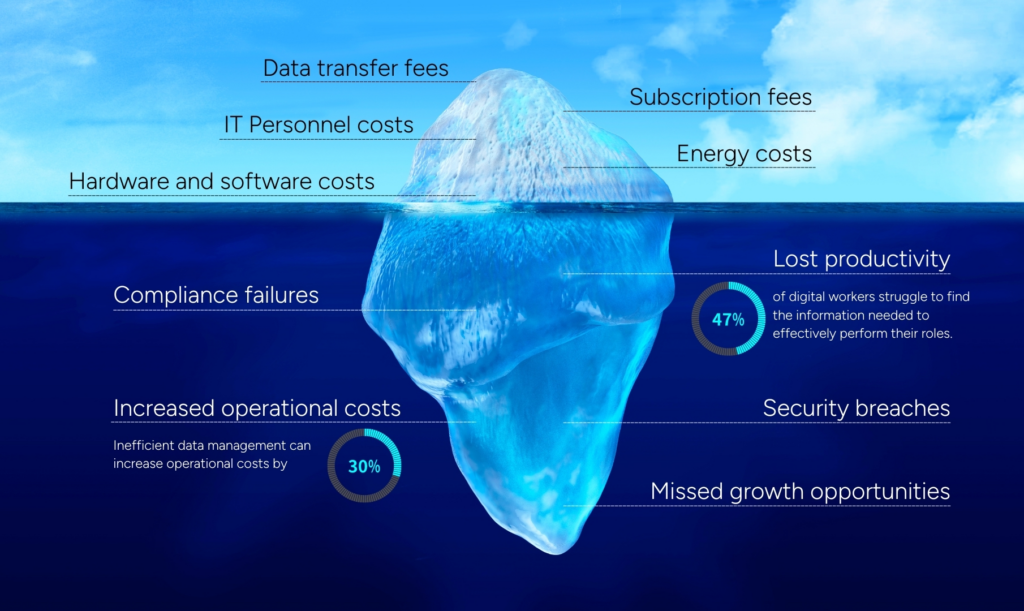
The impact of unnecessary complexity extends far beyond technical challenges. It affects productivity, business agility, and operational reliability.
Reduced Reliability
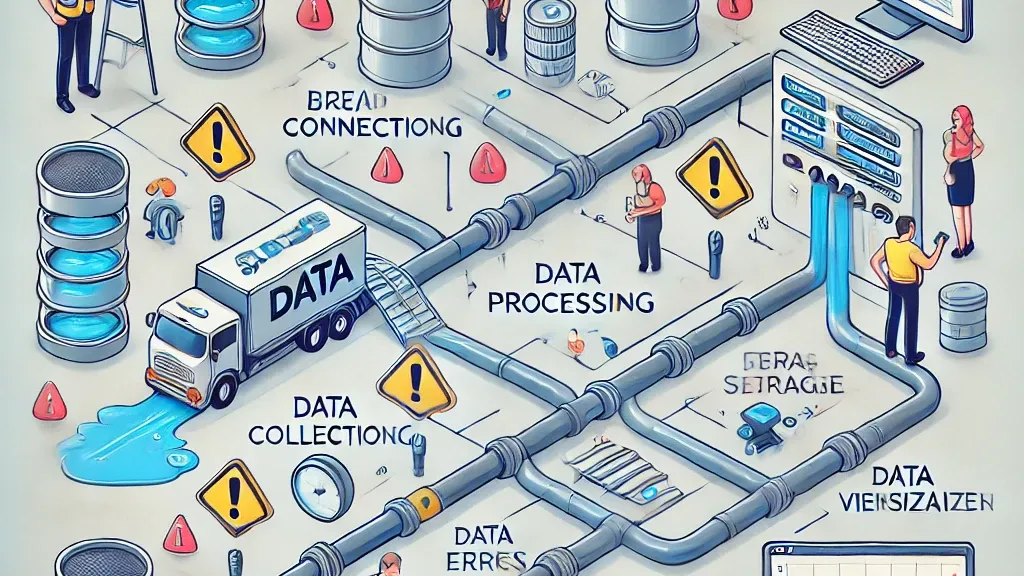
Every additional component in a pipeline creates another point where something can fail.
A complex system may involve:
- Multiple data ingestion processes
- Several transformation layers
- Different storage technologies
- Various scheduling systems
- Numerous dependencies
When problems occur, engineers must determine which component caused the issue and how the failure affects downstream systems.
The result is longer recovery times and less confidence in data availability.
Slower Engineering Velocity
Engineering teams should spend their time improving data capabilities, not constantly maintaining fragile systems.
Complex pipelines slow development because engineers must consider:
- How changes affect existing workflows
- Whether new features break dependencies
- Which teams rely on specific datasets
- How undocumented processes work
A task that should take a few hours can become a multi-day investigation.
Increased Operational Costs
Complex systems often require more resources to operate.
Costs may come from:
- Additional infrastructure
- More monitoring tools
- Higher cloud usage
- Increased engineering time
- Specialized expertise requirements
The financial impact is often hidden because maintenance costs are distributed across teams and projects.
Difficulty Scaling Teams
A complicated data environment creates a knowledge barrier.
New engineers need more time to understand:
- Pipeline architecture
- Data relationships
- Existing workflows
- System dependencies
- Operational procedures
When only a few people understand the system, organizations become dependent on individual knowledge rather than reliable processes.
Why Simplicity Matters in Data Engineering
Simple does not mean limited.
A simple data pipeline can still handle large volumes, support advanced analytics, and scale with business needs. The difference is that every component has a clear purpose.
Simple systems provide:
- Easier troubleshooting
- Faster development
- Lower maintenance costs
- Better collaboration
- More predictable performance
The goal is not reducing capability. The goal is reducing unnecessary complexity.
Signs Your Data Pipeline May Be Too Complex
Organizations can identify complexity problems by looking for warning signs.
Frequent Pipeline Failures
If teams regularly spend time fixing broken workflows, the architecture may contain too many fragile dependencies.
Lack of System Understanding
If engineers cannot easily explain how data moves from source to dashboard, the system may need simplification.
Slow Changes
When small updates require extensive testing and coordination, complexity is affecting productivity.
Duplicate Data Sources
Multiple versions of similar datasets often indicate unclear ownership or inefficient architecture.
Growing Maintenance Work
If operational tasks consume more time than innovation, the current approach may not be sustainable.
Strategies for Reducing Data Pipeline Complexity
Simplifying an existing data environment requires intentional effort. The goal is not to remove everything, but to create a cleaner and more manageable system.
1. Standardize Common Processes
Many organizations create unnecessary complexity by solving the same problems in different ways.
Standardization helps teams create predictable workflows.
Examples include:
- Common data ingestion patterns
- Shared transformation approaches
- Consistent naming conventions
- Standard monitoring practices
When teams follow common patterns, systems become easier to maintain.
2. Remove Unnecessary Tools
More tools do not always create better outcomes.
Organizations should regularly evaluate whether each technology provides meaningful value.
Questions to ask include:
- Is this tool solving a unique problem?
- Could another existing system handle this requirement?
- Does the benefit justify the maintenance cost?
- Is anyone actively using this capability?
Reducing unnecessary tools lowers operational overhead.
3. Create Clear Data Ownership
Unclear responsibility creates confusion and duplication.
Every important dataset should have:
- A responsible owner
- Defined quality expectations
- Documentation
- Clear usage guidelines
Ownership improves accountability and prevents data assets from becoming unmanaged.
4. Improve Documentation
Documentation is one of the simplest ways to reduce complexity.
Useful documentation should explain:
- Where data originates
- How it changes
- Who uses it
- What dependencies exist
- How failures are handled
Clear documentation reduces reliance on individual knowledge.
5. Consolidate Duplicate Workflows
Many organizations process the same data multiple times for different purposes.
Consolidation can help by creating:
- Shared datasets
- Reusable transformations
- Common business definitions
- Centralized metrics
This reduces maintenance while improving consistency.
Design Principles for Future-Proof Data Pipelines
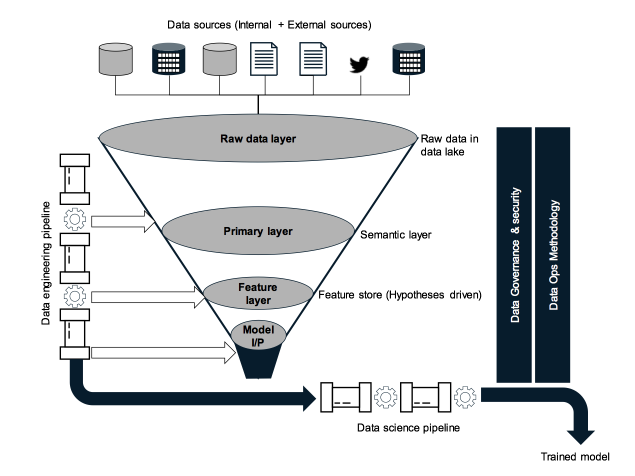
Avoiding future complexity requires thoughtful design decisions from the beginning.
Build Incrementally
Do not create massive architectures for problems that do not exist yet.
Start with a strong foundation and expand when real requirements appear.
Prefer Reusable Solutions
A reusable component usually provides more long-term value than a custom solution built for one scenario.
Make Data Flows Visible
Teams should easily understand:
- What data enters the system
- How it is processed
- Where it is stored
- Who consumes it
Transparency improves both reliability and collaboration.
Automate Operations
Automation reduces manual work and creates consistency.
Useful areas for automation include:
- Testing
- Monitoring
- Deployment
- Data validation
- Pipeline management
Balancing Flexibility and Simplicity
Some organizations fear that simpler systems will limit future possibilities. In reality, unnecessary complexity often reduces flexibility.
A complicated architecture makes changes harder because every adjustment creates more potential consequences.
A simpler foundation allows teams to:
- Add new data sources
- Improve analytics capabilities
- Support new business needs
- Experiment more quickly
Flexibility comes from thoughtful design, not from adding more components.
A Practical Approach to Simplifying Existing Pipelines
Organizations looking to reduce complexity can follow a structured process:
- Map the current data ecosystem.
- Identify sources, transformations, dependencies, and consumers.
- Find unnecessary complexity.
- Look for duplicate processes, unused tools, and manual workflows.
- Prioritize improvements.
- Focus on changes that create the biggest reliability and productivity benefits.
- Standardize future development.
- Create clear patterns for building and maintaining pipelines.
- Review regularly.
- Prevent complexity from accumulating again.
Simplification is an ongoing process, not a one-time project.
Building Data Systems That Support Growth
Complex data pipelines create hidden costs that often appear slowly. They reduce reliability, slow engineering teams, increase operational expenses, and make organizations less adaptable.
The most successful data platforms are not defined by how many technologies they use. They are defined by how effectively they deliver trustworthy data with minimal friction.
By prioritizing simplicity, clear ownership, standard processes, and thoughtful architecture, organizations can build analytics systems that are easier to maintain and faster to evolve.
A simpler pipeline is not just easier to manage—it is a stronger foundation for innovation.