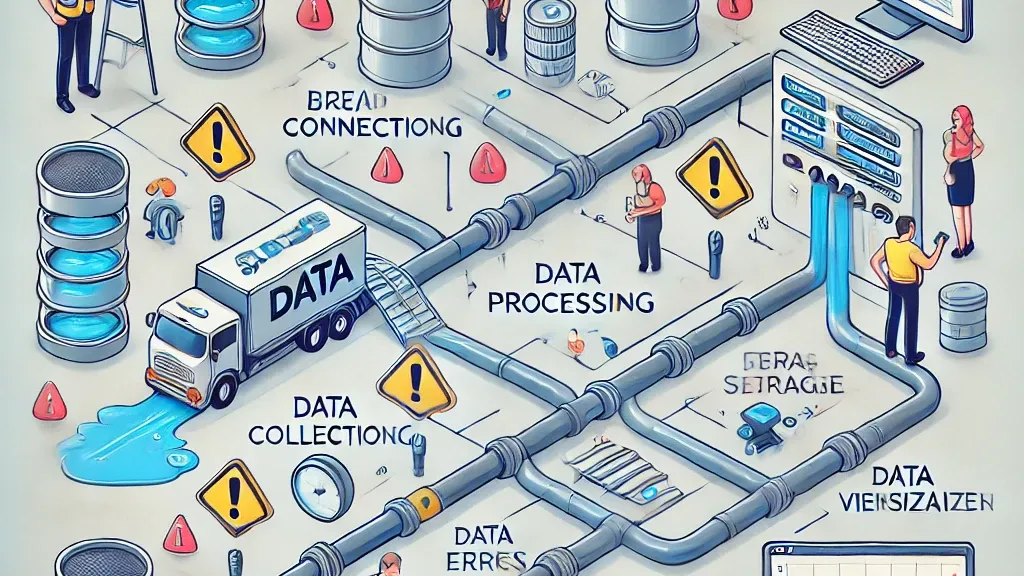

Modern analytics has become essential for businesses that want to make faster, smarter decisions. Organizations collect more data than ever before, using it to understand customers, optimize operations, improve products, and identify new opportunities.
However, as data volumes increase, so do the costs of storing, processing, and analyzing that information.
Many teams face a difficult challenge: how can they improve analytics performance while keeping infrastructure expenses under control?
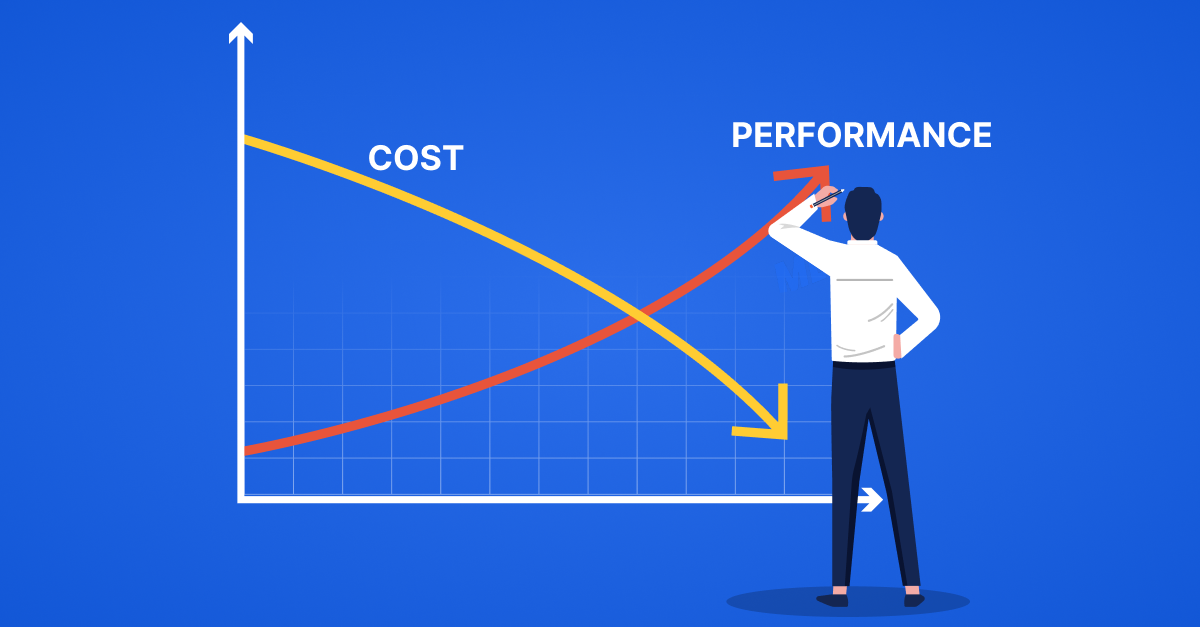
The answer is not simply spending more on technology. Sustainable analytics requires a careful balance between speed, reliability, scalability, and cost efficiency.
By making smarter decisions about storage formats, compute resources, and query design, organizations can build powerful analytics platforms without unnecessary spending.
Understanding the Total Cost of Analytics
Analytics costs are influenced by more than just cloud bills. The true cost of an analytics platform includes everything required to operate, maintain, and improve the system.
Key cost factors include:
- Data storage
- Compute resources
- Query execution
- Data movement
- Pipeline maintenance
- Engineering time
- Monitoring and operations
- System complexity
A platform that appears inexpensive initially may become costly over time if it requires constant maintenance or inefficient processing.
The goal should be optimizing total cost of ownership rather than reducing one specific expense.
Why Analytics Costs Grow Over Time
Many organizations experience increasing costs as their data environments mature.
Several factors contribute to this growth.
Increasing Data Volumes
Businesses continuously collect more information from:
- Applications
- Customer interactions
- Transactions
- Devices
- Marketing platforms
- Operational systems
More data requires more storage capacity and processing power.
Growing Analytics Demand
As more teams use data, workloads increase.
Additional dashboards, reports, experiments, and analytical models all consume resources.
Inefficient Data Processing
Poorly designed workflows can cause unnecessary spending through:
- Repeated calculations
- Excessive data scans
- Duplicate datasets
- Inefficient transformations
Lack of Cost Visibility
Without monitoring, teams may not know which workloads consume the most resources or where optimization opportunities exist.
Understanding cost drivers is the first step toward improving efficiency.
Choosing the Right Storage Format

Storage decisions have a significant impact on analytics performance and cost.
The way data is organized determines how efficiently systems can retrieve and process information.
Why Storage Formats Matter
An effective storage format can help reduce:
- Storage requirements
- Query processing time
- Network usage
- Infrastructure costs
Poor storage choices often force analytics systems to process more data than necessary.
Benefits of Optimized Storage Formats
Well-designed storage formats can provide:
Better Compression
Compressed data requires less storage space and reduces infrastructure expenses.
Faster Queries
Optimized structures allow analytics engines to retrieve relevant information more efficiently.
Improved Scalability
Efficient storage makes it easier to manage growing datasets without constantly increasing costs.
Avoid Storing Data Inefficiently
Common storage problems include:
- Keeping unnecessary duplicate copies
- Storing data in formats unsuitable for analytics
- Failing to organize large datasets effectively
A thoughtful storage strategy creates savings across the entire analytics lifecycle.
Managing Compute Resources Efficiently
Compute is often one of the largest contributors to analytics costs.
The challenge is providing enough processing power for important workloads without paying for unused capacity.
Match Compute to Workload Requirements
Different workloads require different levels of performance.
For example:
- A real-time dashboard may require fast response times.
- A monthly report may only need scheduled processing.
- An experimental analysis may not need dedicated resources.
Using the same infrastructure strategy for every workload often leads to unnecessary spending.
Scale Resources Based on Demand
Flexible compute strategies allow organizations to adjust resources when needed.
Useful practices include:
- Increasing capacity during high-demand periods
- Reducing resources during low-demand periods
- Scheduling non-urgent workloads efficiently
- Avoiding permanently oversized environments
The goal is using the right amount of computing power at the right time.
The Role of Query Optimization
Queries directly affect both performance and cost.
An inefficient query can consume significant resources, especially when running against large datasets.
Improving query design often provides some of the biggest opportunities for optimization.
Reduce Unnecessary Data Processing
A query should only process the information it needs.
Helpful techniques include:
- Selecting only required columns
- Filtering data early
- Avoiding unnecessary joins
- Reducing repeated calculations
Less processing means faster results and lower costs.
Create Reusable Data Models
Many teams repeatedly calculate the same business metrics.
Examples include:
- Revenue performance
- Customer activity
- Conversion rates
- Retention metrics
Creating reusable analytical datasets reduces duplicate processing and improves consistency.
Optimize Frequent Queries First
Not every query requires optimization.
Teams should focus on:
- Frequently used dashboards
- Business-critical reports
- Expensive recurring workloads
Improving the queries that affect the most users creates the greatest impact.
Reducing Data Movement Costs

Moving data between systems can create hidden expenses.
Large-scale data transfers consume:
- Network resources
- Processing capacity
- Engineering effort
Organizations can reduce unnecessary movement by:
- Processing data closer to where it is stored
- Avoiding duplicate transfers
- Maintaining clear data ownership
- Consolidating unnecessary systems
Efficient data movement improves both performance and cost control.
Simplifying Analytics Architecture
Complex systems often create hidden operational costs.
Every additional component requires:
- Maintenance
- Monitoring
- Documentation
- Engineering expertise
A simpler architecture can reduce expenses while improving reliability.
Organizations should regularly evaluate:
- Which tools are actively used
- Which processes can be combined
- Which workflows are redundant
- Which systems create unnecessary complexity
The simplest solution that meets business needs is often the most cost-effective.
Building Cost Awareness Across Teams
Cost optimization should not be limited to infrastructure teams.
Everyone involved in analytics influences spending.
Analysts can help by:
- Creating efficient queries
- Reusing existing datasets
- Avoiding unnecessary data duplication
Engineers can help by:
- Designing efficient pipelines
- Monitoring resource usage
- Automating cost controls
Business teams can help by:
- Prioritizing valuable analytics workloads
- Understanding performance trade-offs
A shared understanding of costs leads to better decisions.
Common Analytics Cost Optimization Mistakes
Organizations often reduce costs in ways that create new problems.
Common mistakes include:
Cutting Resources Without Understanding Workloads
Reducing capacity without optimization can hurt performance.
Focusing Only on Infrastructure Costs
Engineering time and operational complexity can become larger expenses than cloud resources.
Ignoring Query Design
Poor queries can waste significant resources regardless of infrastructure choices.
Building Too Much Too Early
Overly complex systems often create unnecessary costs before business value is proven.
Optimizing Without Measuring Results
Cost improvements should be tracked to ensure they actually create value.
A Practical Framework for Reducing Analytics Costs
Organizations can improve efficiency through a structured approach:
- Measure current analytics costs.
- Identify storage, compute, and workload expenses.
- Find the biggest cost drivers.
- Focus on areas with the greatest impact.
- Optimize storage and data organization.
- Improve efficiency before adding resources.
- Review query performance.
- Reduce unnecessary processing.
- Adjust compute strategies.
- Match resources to actual workload needs.
- Simplify architecture where possible.
- Remove unnecessary complexity.
- Monitor continuously.
- Keep improving as data needs change.
Creating Sustainable Analytics Systems
Cost-efficient analytics is not about limiting capabilities. It is about making smarter technical decisions.
Organizations can achieve strong performance while controlling expenses by optimizing how they store data, allocate computing resources, and design analytical workflows.
The most successful analytics platforms are not the ones with the largest budgets. They are the ones that use resources intelligently.
By focusing on efficiency, simplicity, and continuous improvement, businesses can create analytics systems that deliver valuable insights without unnecessary costs.
The future of analytics belongs to organizations that understand a simple principle: better performance comes not from spending more, but from building smarter.