Modern businesses generate enormous amounts of data every day. Customer interactions, transactions, application events, operational records, and connected devices all produce information that organizations want to analyze and use.
One of the most important decisions in building a data platform is choosing how that information should be processed.
Should data be processed continuously as it arrives through streaming systems? Or should it be collected and processed at scheduled intervals using batch workflows?
Both approaches have important advantages. The right choice depends on business requirements, data characteristics, and the decisions the organization needs to make.
The goal is not choosing the newest or most advanced technology. It is selecting the processing model that delivers the right balance of speed, reliability, complexity, and cost.
Understanding Batch Processing
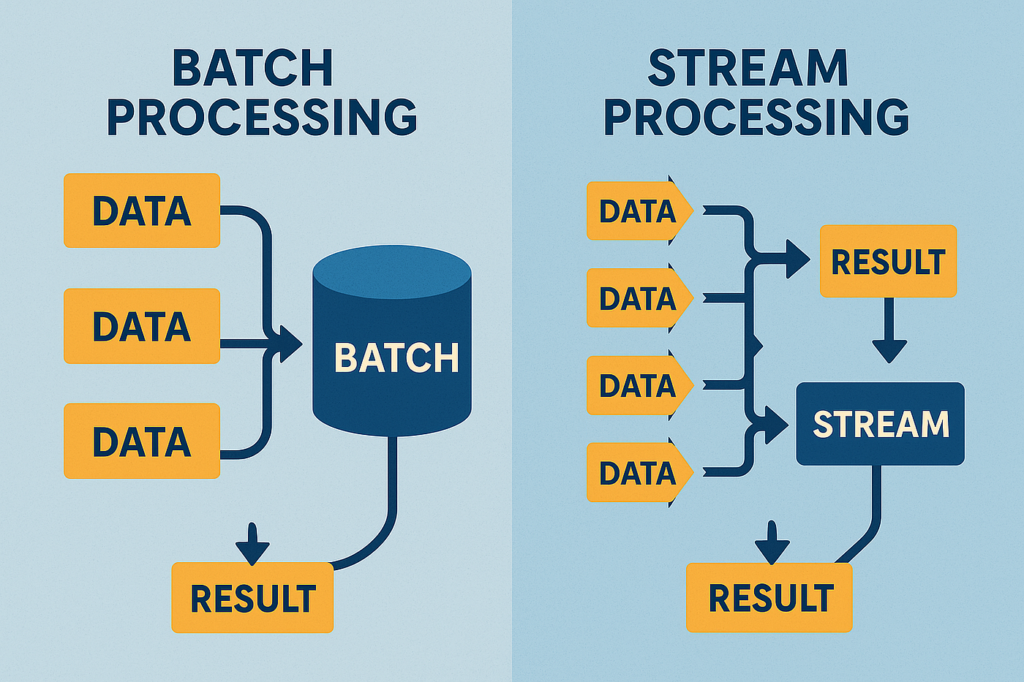
Batch processing handles data by collecting information over a period of time and processing it together.
Instead of analyzing each event immediately, the system waits until a scheduled time or a specific amount of data has accumulated.
Examples include:
- Daily sales reports
- Monthly financial analysis
- Customer behavior summaries
- Historical trend analysis
- Scheduled data warehouse updates
Batch processing has been used for decades because it is reliable, predictable, and often simpler to manage.
How Batch Processing Works
A typical batch workflow looks like this:
- Data is collected from different sources.
- Information is stored until processing begins.
- A scheduled job transforms the data.
- Results are loaded into analytics systems.
- Users access updated reports and insights.
For many business scenarios, this approach provides everything needed without the additional complexity of real-time systems.
Advantages of Batch Processing
Simpler Architecture
Batch systems are often easier to design, monitor, and maintain.
Because processing happens at scheduled intervals, teams have fewer operational challenges compared with continuously running systems.
Lower Costs
Batch workloads can often run during specific periods and use resources more efficiently.
Organizations can optimize infrastructure by:
- Running jobs during low-demand periods
- Processing large volumes efficiently
- Reducing always-on computing requirements
Reliable Data Processing
Batch workflows are well suited for large transformations where accuracy and completeness matter more than immediate results.
Teams can validate data before making it available for analysis.
Easier Troubleshooting
When a scheduled process fails, engineers can usually identify the specific job, dataset, and processing window involved.
This makes debugging more straightforward.
Understanding Streaming Processing
Streaming processing handles data continuously as events occur.
Instead of waiting for scheduled processing, streaming systems capture and analyze information immediately.
Examples include:
- Real-time fraud detection
- Live application monitoring
- Personalized recommendations
- Instant notifications
- Real-time operational dashboards
Streaming is designed for situations where timing matters.
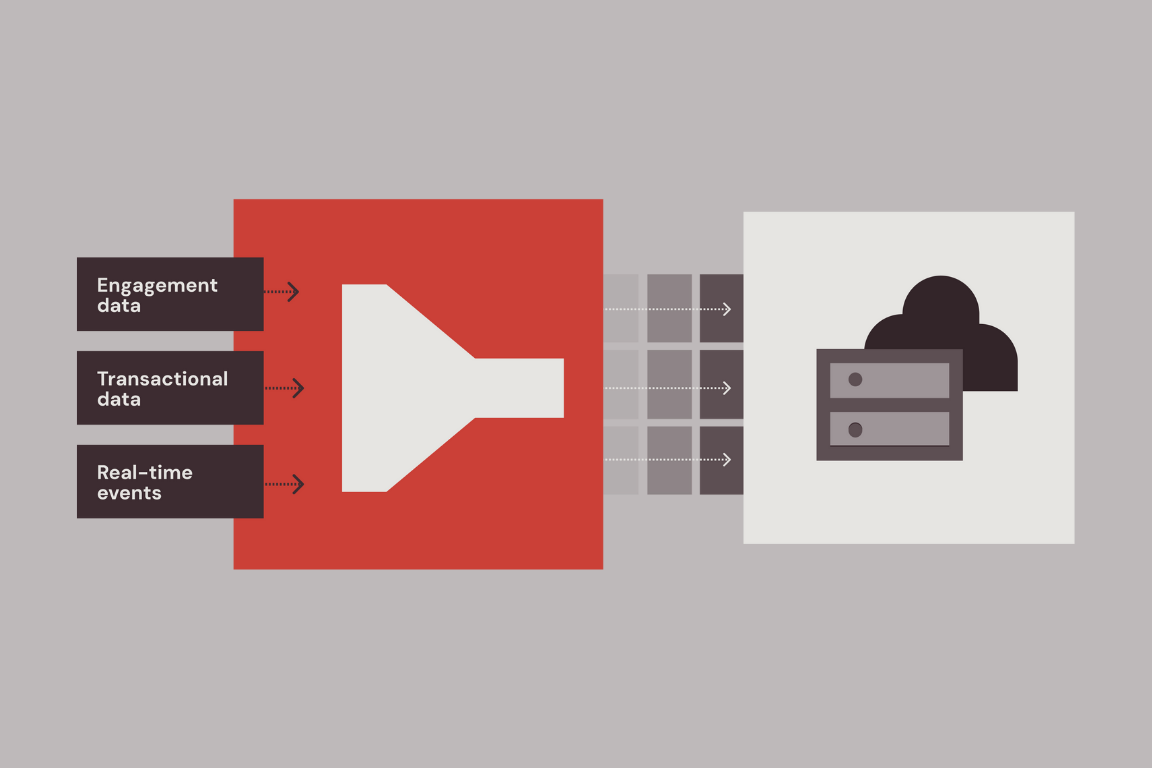
How Streaming Processing Works
A typical streaming workflow includes:
- Events are generated by applications or systems.
- Data is transmitted continuously.
- Processing systems analyze events as they arrive.
- Results are delivered immediately.
- Applications or users respond based on current information.
This model allows organizations to react quickly to changing conditions.
Advantages of Streaming Processing
Real-Time Insights
The biggest benefit of streaming is speed.
Organizations can identify events and respond almost immediately.
Examples include:
- Detecting suspicious transactions
- Monitoring system failures
- Adjusting recommendations
- Tracking live customer activity
Faster Decision-Making
When information is available instantly, teams can make decisions based on current conditions rather than historical data.
Better User Experiences
Many modern digital experiences depend on immediate responses.
Streaming enables features such as:
- Instant alerts
- Dynamic personalization
- Live status updates
- Real-time recommendations
The Challenges of Streaming Systems
While streaming provides powerful capabilities, it also introduces additional complexity.
Higher Operational Requirements
Streaming systems must operate continuously.
Teams need to manage:
- Constant data flow
- System availability
- Event ordering
- Error handling
- Monitoring
More Complex Architecture
Real-time systems often require additional components for:
- Event collection
- Message processing
- State management
- Continuous monitoring
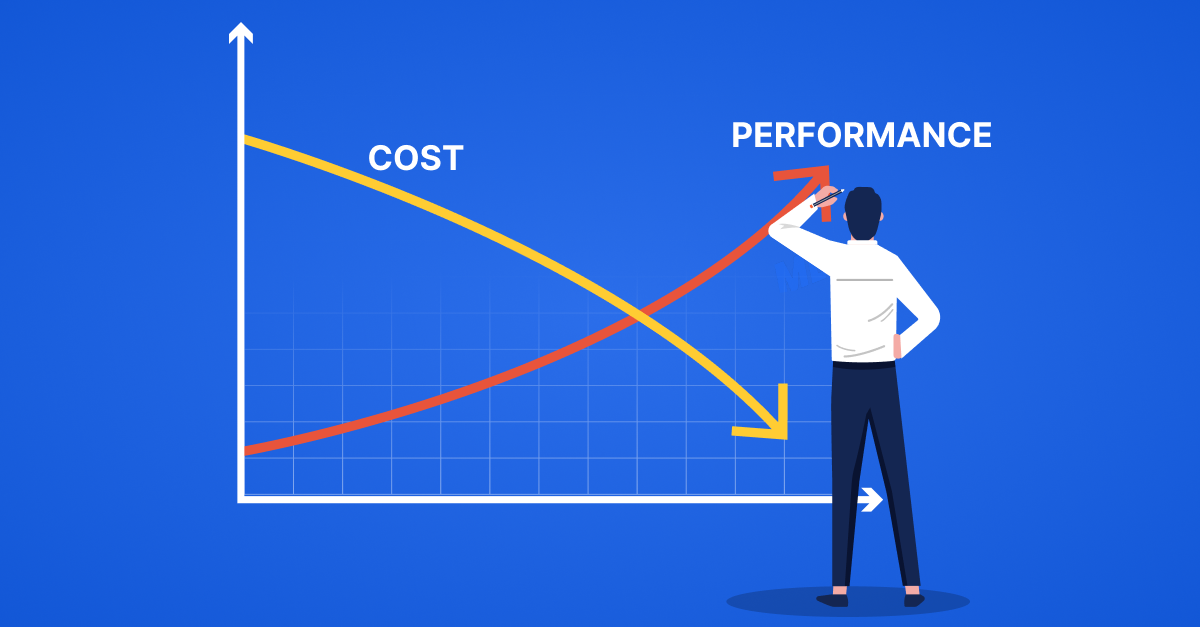
Increased Costs
Maintaining always-running infrastructure can be more expensive than scheduled batch processing.
Organizations should carefully evaluate whether real-time processing creates enough value to justify the investment.
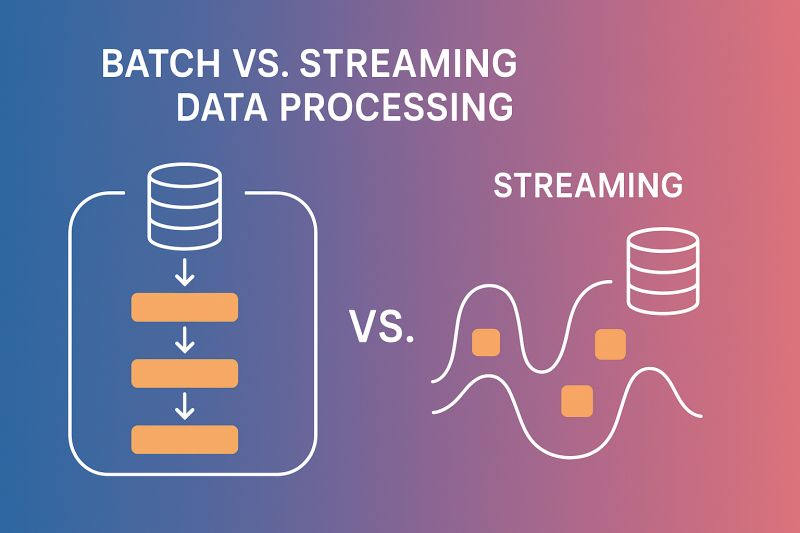
Streaming vs. Batch: A Practical Comparison
Speed
Streaming:
- Processes data immediately
- Supports real-time decisions
- Minimizes delay
Batch:
- Processes data on a schedule
- Works well when updates can happen hourly, daily, or weekly
Complexity
Streaming:
- Requires more advanced architecture
- Needs continuous monitoring
Batch:
- Easier to understand and maintain
- Often requires fewer operational resources
Cost
Streaming:
- Usually requires more infrastructure
- May involve higher operational expenses
Batch:
- Often more cost-efficient
- Easier to optimize for large workloads
Use Cases
Streaming is ideal for:
- Fraud detection
- Real-time analytics
- Monitoring systems
- Live customer experiences
- Time-sensitive operations
Batch is ideal for:
- Reporting
- Historical analysis
- Financial processing
- Large-scale transformations
- Periodic business reviews
How to Choose the Right Processing Model
The best choice depends on business needs, not technical preferences.
Organizations should consider several important questions.
How Quickly Is the Data Needed?
The first question is about urgency.
Ask:
- Does a decision need to happen immediately?
- Is a delay of several hours acceptable?
- Is daily reporting sufficient?
If immediate action is required, streaming may be appropriate. If not, batch may provide a simpler and more efficient solution.
What Is the Business Impact of Delay?
Not every dataset requires instant availability.
For example:
- A security alert may require immediate processing.
- A monthly performance report does not.
The value of speed should determine the architecture.
How Complex Is the Data Workflow?
Teams should consider whether the organization can support the operational requirements of streaming.
A simple batch pipeline may be better than a complicated streaming system that creates unnecessary maintenance challenges.
What Are the Cost Requirements?
Infrastructure decisions should consider both technical and financial factors.
A real-time system should provide measurable business value that justifies additional complexity.
A Hybrid Approach: Combining Streaming and Batch
Many modern analytics platforms use both approaches.
A hybrid strategy allows organizations to choose the right processing model for each workload.
For example:
- Streaming for customer-facing features
- Batch for financial reporting
- Streaming for operational alerts
- Batch for long-term analysis
This approach avoids forcing every data problem into one architecture.
A flexible data platform recognizes that different workloads have different requirements.
Common Mistakes When Choosing a Processing Model
Organizations often make mistakes by focusing on technology rather than business needs.
Common examples include:
- Choosing streaming because it seems more advanced
- Using batch when real-time decisions are critical
- Ignoring operational complexity
- Building separate systems without clear ownership
- Processing everything in the same way
The best architecture is the one that solves the actual problem efficiently.
A Practical Decision Framework
Teams can evaluate their options using a simple process:
- Identify the business requirement.
- What decision or action depends on this data?
- Define acceptable delay.
- Seconds, minutes, hours, or days?
- Measure the value of speed.
- What improvement does faster data create?
- Consider operational complexity.
- Can the team support the required infrastructure?
- Choose the simplest solution that meets the need.
This approach prevents unnecessary complexity while ensuring important use cases receive the right level of performance.
Building Data Systems That Match Business Reality
Streaming and batch processing are not competing technologies. They are different tools designed for different situations.
The strongest analytics platforms use each approach where it provides the most value.
Batch processing remains an excellent choice for many analytical workloads because it is reliable, affordable, and easy to maintain. Streaming provides powerful capabilities when immediate insights and rapid responses are essential.
The right decision comes from understanding business priorities, data requirements, and operational capabilities.
Successful data engineering is not about processing information as quickly as possible. It is about delivering the right information at the right time in the simplest, most effective way.